
Pakistan Secures USD1.2B IMF Deal Amid Mideast Energy Shock
The deal still needs sign-off from the IMF Executive Board. If approved, Pakistan would receive about $1 billion through the Extended Fund Facility and a further $210 million through the Resilience and Sustainability Facility, which backs climate-related reforms. The payouts would lift total funds released under the two programs to approximately $5.7 billion.
The IMF said Pakistan has kept its economy stable despite the shock, putting growth at 3.6% for fiscal year 2026. Costlier energy and supply disruptions dragged on momentum, but foreign exchange reserves climbed to about $21.5 billion by the end of September.
Headline inflation slowed to roughly 10.3% in September after peaking in May, and core inflation stayed contained, according to the fund. The IMF urged the State Bank of Pakistan to hold an appropriately tight monetary policy stance so inflation returns durably to its target range.
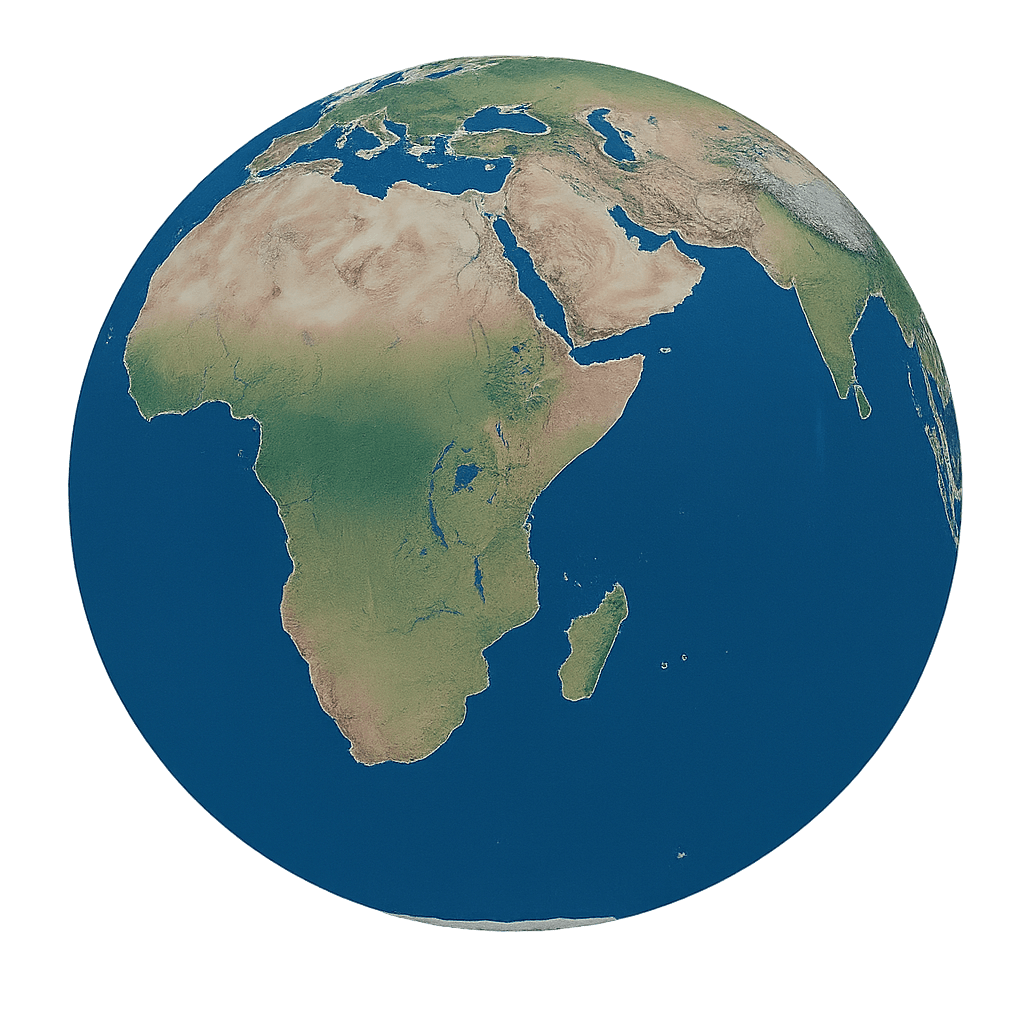
The extra financing is meant to strengthen Pakistan’s foreign exchange buffers and sustain its recovery. Even so, the country remains vulnerable to disruptions in Gulf energy supplies, with a large share of its energy imports passing through the Strait of Hormuz.
Legal Disclaimer:
MENAFN provides the
information “as is” without warranty of any kind. We do not accept any
responsibility or liability for the accuracy, content, images, videos,
licenses, completeness, legality, or reliability of the information
contained in this article. If you have any complaints or copyright issues
related to this article, kindly contact the provider above.
Legal Disclaimer:
EIN Presswire provides this news content "as is" without warranty of any kind. We do not accept any responsibility or liability for the accuracy, content, images, videos, licenses, completeness, legality, or reliability of the information contained in this article. If you have any complaints or copyright issues related to this article, kindly contact the author above.
